
Table of Contents
Last updated: December 2025 | Originally published June 2025. Key changes: Bëllegen Akt tax credit now permanent at €40,000/person (July 2025); temporary registration fee reduction ended June 30, 2025; Klimabonus 25% bonus valid through December 31, 2025 applications.
Performance standards in real estate have evolved from a niche consideration to a fundamental driver of property value, tenant satisfaction, and environmental responsibility. With commercial buildings accounting for 20% of total greenhouse gas emissions and utility costs representing a significant portion of operating expenses, the importance of sustainable buildings cannot be overstated. In Luxembourg’s competitive property market, environmental performance has become a cornerstone that fundamentally transforms how buyers evaluate and invest in real estate.
Luxembourg’s commitment to sustainability extends far beyond regulatory compliance, creating a market where green properties command premium prices while offering long-term value through reduced operating costs and enhanced comfort. The convergence of government incentives, market demand, and environmental responsibility makes performance standards a critical factor in property investment success.
Luxembourg’s Performance Standards
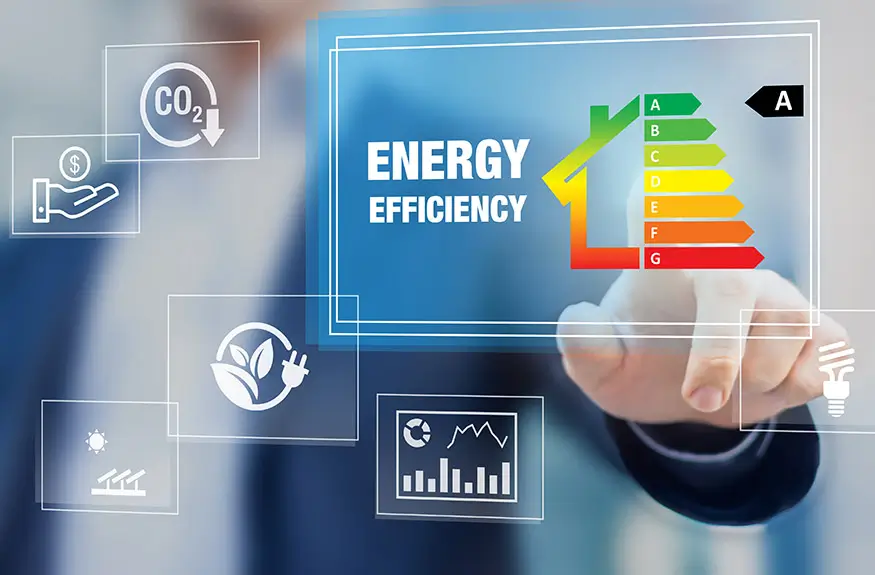
Since January 1, 2017, all new buildings in Luxembourg must meet passive house construction standards and achieve AAA efficiency classes. This triple A rating corresponds to optimum performance, thermal insulation, and environmental impact, with consumption being virtually zero (NZEB = Nearly Zero Energy Building).
This regulatory framework positions Luxembourg at the forefront of European sustainable construction, with certified green buildings representing 12% of the country’s built-up territory compared to just 2% across Europe. This remarkable achievement reflects both regulatory commitment and market acceptance of sustainable building practices.
The mandatory Energy Performance Certificate (EPC) system provides transparency in property transactions, allowing buyers to make informed decisions about utility costs and environmental impact. Valid for 10 years, these certificates have been mandatory since 2007 and must be provided for all property sales and rentals.
Market Impact of Environmental Performance
Sustainability has long been a marginalized player in real estate valuation, but it’s now taking center stage as properties that don’t perform well will need renovation or eventually get left behind. In Luxembourg’s competitive market, environmental performance significantly influences property values, with houses in classes A, B, and C selling for an average of 9.9% more than properties with D, E, or F ratings.
The premium increases dramatically when comparing high-performing properties to low-performance buildings, with sustainable properties commanding 38.3% higher prices than properties in classes G, H, and I. As of Q2 2025, the price gap between high-performing properties (A-C) and low-performing homes (F-G) varies by region: €1,358/m² in Centre Luxembourg, €1,112/m² in the South, €958/m² in the West, €938/m² in the East, and €743/m² in the North. This price differential reflects both immediate value recognition and long-term cost considerations, as sustainable buildings can result in lower utility bills and increased property value.
Buyers of low-performing properties often plan renovations, with 57% of purchasers of G-H-I rated homes planning improvement work compared to just 16% of high-performance property buyers. The market dynamics demonstrate that sustainable properties offer dual benefits: immediate premium pricing and reduced future renovation requirements.
Enhanced Financial Incentives for 2025
Luxembourg provides comprehensive financial support for performance improvements through various subsidy programs, with significant enhancements continuing through 2025. The Klimabonus scheme offers substantial aid for renovations of buildings older than 10 years, covering work on thermal envelopes, renewable installations, and comprehensive upgrades.
For renovation projects, the scheme can cover up to 62.5% of renovation costs, making significant improvements financially accessible. The government’s Klimabonus programme continues the enhanced 50% replacement bonus for transitioning from fossil-fuel-based heating to renewable alternatives and the additional 25% subsidy increase for renovation measures, including controlled mechanical ventilation. To qualify for the 25% bonus, applications for “accord de principe” must be submitted by December 31, 2025 at the latest, with both the accord de principe and invoice dates determining final eligibility.
The super-reduced VAT rate of 3% applies to renovation work on primary residences, limited to €50,000 per housing unit. This is an ongoing housing measure (not a temporary climate incentive) subject to eligibility conditions and use requirements, and may be subject to claw-back if property use changes within 10 years. This substantial reduction from the standard 17% rate makes upgrades more affordable while encouraging property improvements.
Understanding these housing financial subsidies helps property owners maximize available support for creating sustainable properties while reducing overall improvement costs.
Heat Pump Requirements and Fossil Fuel Phase-Out
From January 1, 2023, heat pumps became the reference system for new buildings in Luxembourg, making fossil fuel heating systems practically impossible to achieve required standards. This regulatory shift aligns with European Commission guidance requiring EU countries to discontinue financial incentives for new stand-alone fossil fuel boilers from January 1, 2025.
Heat pumps must meet specific requirements including the ability to supply heating circuits with a maximum starting temperature of 35°C, installation of electricity meters, and for systems invoiced from January 2024, heat meters. The heating network must undergo hydraulic balancing when heat pumps are installed, and buffer tanks with minimum capacity of 30 l/kW thermal are required for existing residential buildings.
For investors interested in this area, our guide to rental costs in Hesperange provides insights into how modern heating systems affect rental values and investment returns.
Investment Advantages of High-Performance Properties
Sustainable buildings offer compelling investment advantages beyond purchase price premiums. Lower utility costs represent the most immediate benefit, with modern high-performance properties delivering substantial bill reductions compared to older, less efficient buildings. By reducing consumption, these buildings help reduce overall operating costs while providing increased comfort through better insulation, air sealing, and ventilation systems.
Properties meeting AAA standards guarantee lower consumption and more efficient heat distribution. In Luxembourg’s context of rising utility prices, these savings become increasingly valuable, providing both immediate cash flow benefits for rental properties and enhanced affordability for owner-occupiers.
Enhanced rental appeal makes sustainable properties more attractive to tenants, particularly international professionals and environmentally conscious renters. High-performing buildings are more attractive to potential tenants as they offer lower utility bills and a more comfortable living environment, helping to increase occupancy rates.
For investors considering different property types, our analysis of old property renovation versus new construction helps evaluate the costs and benefits of improving existing properties versus purchasing new sustainable buildings.
Permanent Tax Benefits and Enhanced Financing
Financial institutions increasingly recognize the value of sustainable properties through preferential lending terms. Banks often offer better interest rates for properties with high ratings, reflecting reduced risk profiles and enhanced long-term value retention.
Properties with A+ ratings benefit from tax exemptions on transfers, providing immediate savings during acquisition. The Luxembourg government made the “Bëllegen Akt” tax credit permanent at €40,000 per person (€80,000 for couples) effective July 1, 2025, providing ongoing support for homebuyers. Note that the temporary reduction in registration fees to 3.5% (versus the standard 7%) and the reduced capital gains tax rate of 10% (versus 20%) both ended on June 30, 2025, and standard rates now apply.
The enhanced financing environment for sustainable properties reflects broader market recognition of environmental performance’s importance in property valuation and risk assessment. Our financing and mortgage guide for property buyers provides detailed insights into securing favorable terms for sustainable property purchases.
Essential Components of High-Performance Buildings
The key ingredients behind improved performance in buildings include greater insulation, airtightness, solar protection, and hygienic ventilation. High-quality insulation is vital for sustainable properties, reducing heat loss in winter and keeping buildings cool in summer. Advanced insulation materials like fiberglass, foam board, and spray foam offer distinct advantages tailored to specific needs.
High-performance windows minimize heat transfer and improve insulation through double or triple glazing, low-emissivity coatings, and thermal mass designs. These windows maintain warmth during winter and keep spaces cooler in summer, leading to significant savings and improved building performance.
Solar panels are crucial for sustainable buildings, allowing property owners to harness renewable power and increase independence. Different types include monocrystalline panels known for high output, polycrystalline options that are more cost-effective, and thin-film solar panels suitable for unconventional spaces.
Renovation Strategies for Existing Properties
Transforming existing properties into sustainable buildings requires strategic planning and understanding of available improvement options. Thermal envelope improvements including roof insulation, external wall insulation, and high-performance window installations provide the foundation for performance gains.
Renewable installations such as heat pumps, solar panels, and wood boilers can dramatically improve ratings while qualifying for substantial subsidies. The Klimabonus program continues through 2025 with enhanced benefits, including the 25% bonus for renovation measures available for applications submitted by December 31, 2025, and the 50% replacement bonus for transitioning from fossil fuel heating systems to renewable alternatives.
These improvements not only reduce operating costs but can transform a property’s classification and market value. Understanding which improvements qualify for subsidies helps property owners maximize both environmental performance and financial benefits.
Market Trends and Future Outlook
Sustainability that’s integrated and predictable will drive property value, while properties that don’t perform well will need renovation or eventually get left behind. More than two-thirds of industry professionals express concern about meeting environmental requirements, while property owners without net-zero pathways may struggle to obtain financing or face higher interest rates.
The Luxembourg real estate market has shown strong recovery momentum, with transaction volumes surging 49% in 2024 compared to 2023, signaling renewed buyer confidence after the interest rate slowdown of 2022-2023. As of Q2 2025, average sale prices stood at €8,670/m², up 1.9% quarter-on-quarter but down 1.5% year-on-year.
However, construction activity has declined sharply since 2021, with output nearly halved by 2025, raising concerns about future housing supply constraints and continued upward price pressure. Despite these supply challenges, 65% of new listings carry Class A ratings, demonstrating the market’s strong commitment to sustainability. Off-plan properties offer guaranteed performance and compliance with current standards, making them attractive for investors looking to increase asset value.
This trend suggests that sustainable properties will become increasingly valuable as regulatory requirements tighten and market preferences shift toward environmentally responsible buildings. Early investment in performance standards positions properties advantageously for future market conditions.
Regional Considerations and Location Factors
Different areas of Luxembourg offer varying opportunities for sustainable properties. New developments in areas like Gasperich and Kirchberg typically feature the latest performance standards, while established neighborhoods may offer renovation opportunities for creating high-performing buildings.
Understanding local market dynamics becomes crucial when evaluating sustainability investments. Areas with strong rental demand and proximity to business centers often provide better returns on green building investments.
For those considering property sales to fund sustainable purchases, understanding when to sell your property helps optimize timing for transitioning to more environmentally responsible real estate investments, particularly given the permanent €40,000 Bëllegen Akt tax credit now available year-round.
Documentation and Compliance Requirements
Energy Performance Certificates are mandatory for all property transactions, providing essential information about ratings and potential improvement opportunities. These certificates must be obtained from certified professionals and remain valid for 10 years.
Proper documentation becomes crucial for accessing subsidies and tax benefits. Having all required documents needed for a sale organized ensures smooth transactions while maximizing available incentives.
Understanding the complete buying property process and steps helps coordinate performance evaluations with purchase decisions and financing arrangements.
Professional Guidance and Implementation
Successfully navigating Luxembourg’s sustainability landscape requires understanding both current regulations and evolving market preferences. Working with experienced professionals ensures you maximize available benefits while making informed decisions about sustainable properties.
Whether you’re purchasing new construction that meets AAA standards or renovating existing properties to improve performance, having access to comprehensive market knowledge and technical expertise makes the difference between successful implementation and missed opportunities.
Our complete guide to buying property in Luxembourg in 2025 provides detailed insights into the current regulatory environment and market conditions affecting sustainable properties.
Conclusion
Sustainability represents both an environmental imperative and a sound financial strategy in Luxembourg’s property market. With the permanent Bëllegen Akt tax credit of €40,000 per person now in place, Klimabonus renovation subsidies continuing through 2025 (with the 25% bonus available for applications submitted by December 31, 2025), market premiums for sustainable properties, and evolving regulatory requirements, investing in environmentally responsible buildings offers compelling advantages for both immediate returns and long-term value creation.
The convergence of regulatory support, market demand, and environmental responsibility creates exceptional opportunities for property buyers and investors who prioritize performance standards. Success requires understanding available incentives, market dynamics, and implementation strategies that maximize both environmental impact and financial returns.
For personalized guidance on sustainability opportunities and green property investments throughout Luxembourg, contact zeas.immo. Our expertise in the local market ensures you understand all available benefits and can implement strategies that create value while contributing to Luxembourg’s sustainability objectives.

 English
 Français
 Deutsch
Join The Discussion