
Table of Contents
Updated December 2025 | Originally published 2024. Key updates: August 2024 legislative reforms now in full effect; new rental agreement requirements integrated; December 2025 market context added.
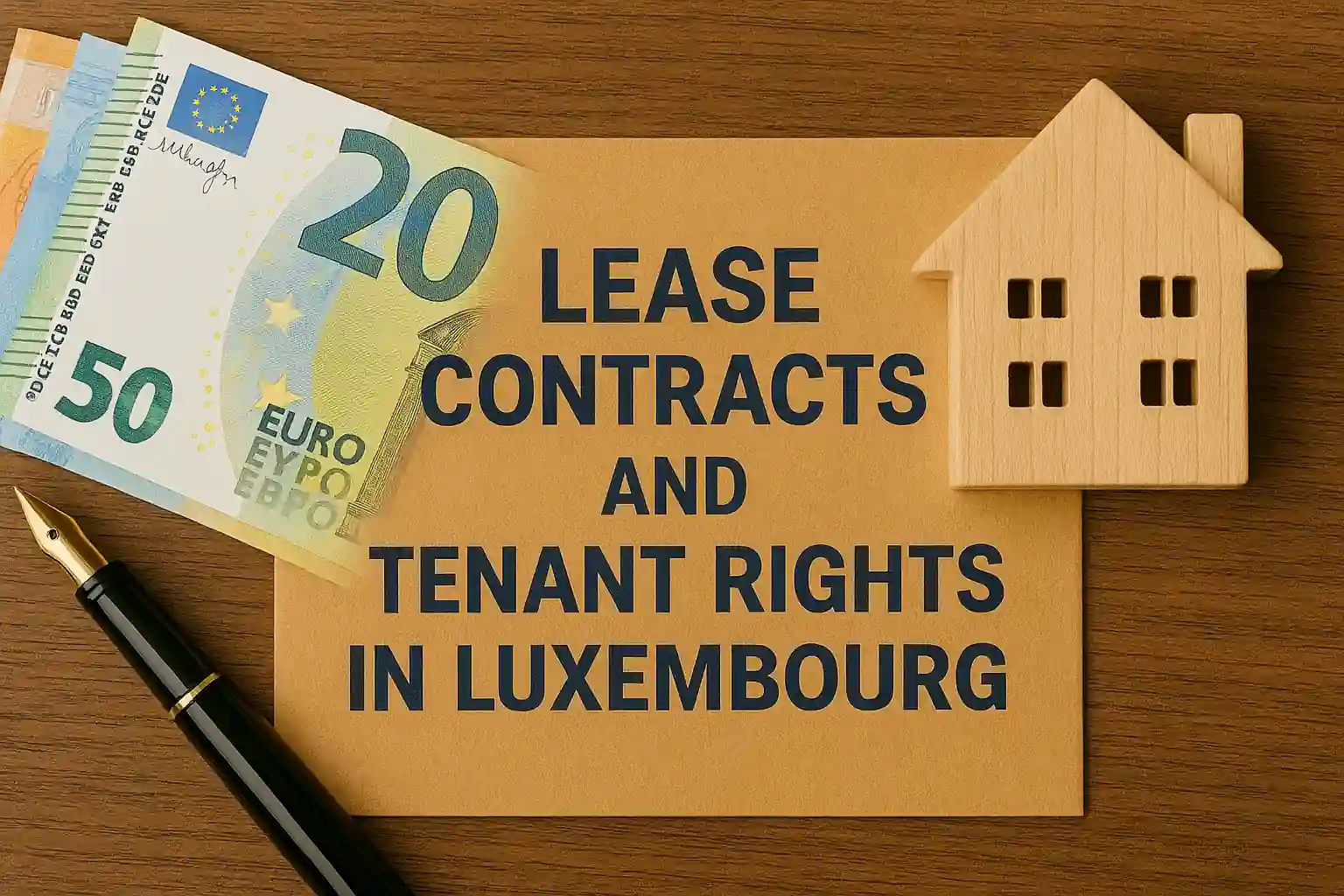
Understanding lease contracts in Luxembourg and your tenant rights is essential for anyone entering the Grand Duchy’s rental market. With significant legislative changes taking effect on August 1, 2024, both tenants and landlords must familiarize themselves with new regulations that reshape rental market dynamics.
Understanding Rental Agreements in Luxembourg: 2024 Legal Framework
A lease contract serves as the fundamental legal document governing the relationship between landlords and tenants. Under Luxembourg’s Civil Code, particularly articles 1714 to 1751, these agreements establish the rights and obligations of both parties throughout the rental period. The recent legislative reforms have introduced mandatory requirements that make written agreements obligatory for all residential rentals, eliminating the previous acceptance of verbal arrangements.
The essential elements of any valid rental agreement include precise identification of all parties involved, detailed description of the rental property including any annexes or outbuildings, the intended use of the premises, rental duration, starting date, and the monthly rent amount. For furnished accommodations, agreements must also include a comprehensive inventory of all furniture and equipment provided.
August 2024 Legislative Changes Affecting Rental Agreements
The August 2024 reforms introduced several tenant-friendly provisions that significantly alter rental requirements. Most notably, the maximum security deposit has been reduced from three months’ rent to two months’ rent, making rental properties more accessible to prospective tenants. This change addresses one of the primary financial barriers many renters face when securing accommodation.
Additionally, the new legislation establishes clear timelines for deposit returns. Landlords must now refund 50% of the security deposit within one month of the exit inventory if no damage exists and rent payments are current. The remaining 50% must be returned within one month of receiving annual service charge statements. Failure to comply with these timelines results in penalties of 10% of monthly rent for each month of delay.
7 Essential Tenant Rights Every Luxembourg Renter Must Know
Luxembourg provides robust protections for renters through comprehensive legislation. Here are the seven most important tenant rights:
1. Protection Against Arbitrary Rent Increases
Current law limits increases to once every two years and caps them at 10% over a two-year period. The annual rent cannot exceed 5% of the capital invested by the property owner, providing additional protection against excessive pricing.
2. Automatic Extensions
If neither party terminates a fixed-term agreement, it automatically converts to an indefinite-term arrangement with the same conditions. This protection prevents sudden displacement and provides housing stability for long-term residents.
3. Written Agreement Requirement
All residential rentals must be documented in writing since August 1, 2024, protecting tenants from verbal agreement disputes.
4. Reduced Security Deposits
Maximum security deposits are now capped at two months’ rent instead of three, lowering entry barriers to Luxembourg’s rental market.
5. Clear Deposit Return Timelines
Landlords face specific deadlines and penalties for delayed deposit returns, ensuring tenants receive their funds promptly.
6. Protection Against Wrongful Eviction
Landlords can only terminate agreements for specific reasons: personal need for the property, tenant breach of obligations, or other grave and legitimate motives.
7. Privacy Rights
Property owners must respect tenant privacy and cannot arbitrarily change the property’s intended use during the term.
Mandatory Elements in Modern Lease Contracts
Since August 2024, all rental agreements in Luxembourg must contain specific mandatory elements to be legally valid. These requirements ensure transparency and protect both parties’ interests.
Essential components include:
- Complete identification of all parties (landlord and tenant)
- Precise property address and description
- Intended use of the premises (residential)
- Duration (fixed-term or indefinite)
- Commencement date
- Monthly rent amount
- Charges and utilities breakdown
- Security deposit amount (maximum 2 months’ rent)
- Property condition description
- Inventory of furnishings (if furnished)
Missing any mandatory element can render agreements null and void, potentially creating legal complications for both parties.
Shared Housing and Co-Tenancy Regulations
The 2024 reforms introduced specific frameworks for shared housing arrangements, addressing the growing trend of co-living in Luxembourg’s expensive rental market. A single agreement must be established between the landlord and all co-tenants, who become jointly responsible for all obligations. Additionally, a written co-tenancy arrangement is required to formalize the internal agreements between roommates.
This regulatory framework provides clarity for what was previously a legal gray area, ensuring that all parties understand their responsibilities and rights in shared living situations.
Practical Considerations for Hesperange Residents
When seeking rental accommodation in Hesperange or other Luxembourg communes, understanding local market dynamics and legal requirements becomes crucial. Our comprehensive guide to rental costs in Hesperange provides valuable insights into current market rates and expectations.
The rental guarantee represents just one component of your overall moving costs, which may also include agency fees (now split 50/50 between tenant and landlord as per August 2024 reforms), first month’s rent, and various administrative expenses.
Proper documentation preparation significantly improves your chances in Luxembourg’s competitive rental market. Our renting documents guide for Hesperange outlines exactly what paperwork you’ll need to secure your ideal property, including proof of income, identification, and arrangements for your security deposit.
Landlord Obligations and Responsibilities
Property owners have specific legal obligations under Luxembourg law. They must deliver properties in good condition suitable for their intended use and maintain them throughout the tenancy period. This includes responsibility for all major repairs, urgent maintenance issues, and ensuring the property meets health and safety standards.
Landlords must also respect tenant privacy rights and cannot arbitrarily change the property’s intended use during the term. They’re required to provide advance notice for any necessary repairs and compensate tenants if work renders the property uninhabitable for extended periods.
Termination Procedures and Notice Periods
The termination process varies depending on the type of arrangement and the party initiating termination. For indefinite-term agreements, tenants must provide three months’ notice, while landlords face more restrictive termination conditions. Fixed-term agreements automatically expire at their conclusion, but tenants who remain beyond the term with landlord acceptance create new indefinite-term arrangements.
When landlords terminate for personal need, they must provide six months’ notice and demonstrate genuine intention to occupy the property. The diplomatic clause, common in other countries for professional relocations, doesn’t exist in Luxembourg law, making early termination more challenging for tenants.
Dispute Resolution and Legal Recourse
Luxembourg provides multiple avenues for resolving rental disputes. For rent-related disagreements, parties can approach the local rent commission, which attempts mediation before making binding decisions. If unsatisfied with commission rulings, either party can appeal to the Justice of the Peace within fifteen days.
For other disputes, tenants should continue paying rent while attempting amicable resolution. If this fails, formal registered letters to landlords often prompt action. Ultimately, the Justice of the Peace has jurisdiction over most rental disputes, regardless of the amounts involved.
Professional Guidance and Support
Navigating lease contracts and understanding your rights can prove complex, especially with recent legislative changes. Whether you’re a first-time renter or experienced tenant, professional guidance helps ensure you understand your obligations and protections fully.
At Zeas.immo, we understand the intricacies of Luxembourg’s rental market, particularly in the Hesperange commune. While our primary expertise focuses on helping property owners navigate the selling process through our comprehensive guides on selling property in Luxembourg and property evaluation, our deep understanding of local real estate law benefits anyone involved in Luxembourg’s property market.
Financial Assistance Programs Supporting Renters
Luxembourg offers various financial assistance programs to make renting more accessible. Beyond the reduced security deposit requirements, the state provides rental subsidies ranging from €10 to €520 monthly, depending on household composition and income levels. These subsidies specifically target households whose income proves insufficient for adequate housing while maintaining decent living standards.
The government also offers deposit assistance for qualifying applicants, allowing the state to act as guarantor for deposits up to three months’ rent. This support proves particularly valuable for newcomers or those facing financial constraints when entering Luxembourg’s competitive rental market.
Making Informed Rental Decisions
Understanding lease contracts in Luxembourg proves essential for anyone entering the rental market. The recent legislative changes have created a more balanced and transparent environment with enhanced protections for renters, reduced financial barriers, and clearer obligations for all parties involved.
Whether you’re signing your first rental agreement in Hesperange or moving to a new property elsewhere in Luxembourg, being informed about these requirements and available protections ensures a smooth rental experience. The government’s commitment to tenant protection through improved regulations, combined with comprehensive legal frameworks, demonstrates Luxembourg’s dedication to creating a fair and accessible rental market.
As the rental landscape continues evolving, staying informed about your rights, obligations, and available support remains crucial. The new legislation represents significant progress toward creating a more balanced rental market that protects tenant interests while respecting legitimate landlord rights, addressing ongoing housing challenges throughout the Grand Duchy.


 English
 Français
 Deutsch
Join The Discussion